
Overview
Across the Kruger to Canyons Biosphere Region, the question is not only how we protect nature, but how people are able to live well alongside it.
The Nature Positive Livelihoods Demonstration Team works with communities to explore what that looks like in practice.
At demonstration sites across the region, community members are testing and refining ways of farming, producing and managing resources that restore rather than degrade the land. From climate-smart agriculture and sustainable rangeland management to reusable hygiene solutions and small enterprise development, these are practical, working examples of what a nature-positive economy can look like.
This work is hands-on and locally led. Community members receive training, build skills, and are supported to develop their own enterprises. Through Eco-Savings and Credit Groups, households are also able to strengthen their financial resilience, creating a foundation for longer-term stability and growth.
What begins as participation can grow into ownership, of ideas, of enterprises, and of the future of the landscape itself.
By connecting livelihoods with restoration, the team demonstrates a simple but powerful idea: when people are supported to care for the land, the land is better able to support them in return.
Key Facts
 Location
Phiring, Moremela, Boelang, Malaeneng, Sekororo, Mogane, Mashilane, and Sehlare.
 Focus
Focus
Eco-Savings & Credit Groups, Enterprise development, Climate-smart agriculture, Sustainable rangeland management, reusable Absorbent Hygiene Products.

Partners
University of the Western Cape, Spencer Foundation, Government of Flanders
 Contribution to K2C Strategic Priorities:
Partnerships (SP4); Production Landscape (SP4); Community Enterprises (SP5); Policy Influence (SP6).
What We Do
Eco-Savings & Credit Groups
Eco-Savings and Credit Groups (ESCGs) enable community members to save together and access small loans, supporting everyday needs and livelihood opportunities. In doing so, they build financial confidence, strengthen relationships, and create a foundation for long-term resilience.
35
active Eco-Savings & Credit Groups established and supported
600
people with responsible means to improve livelihoods
506
women supported through financial literacy and access to savings and credit
Absorbent Hygiene Product Project
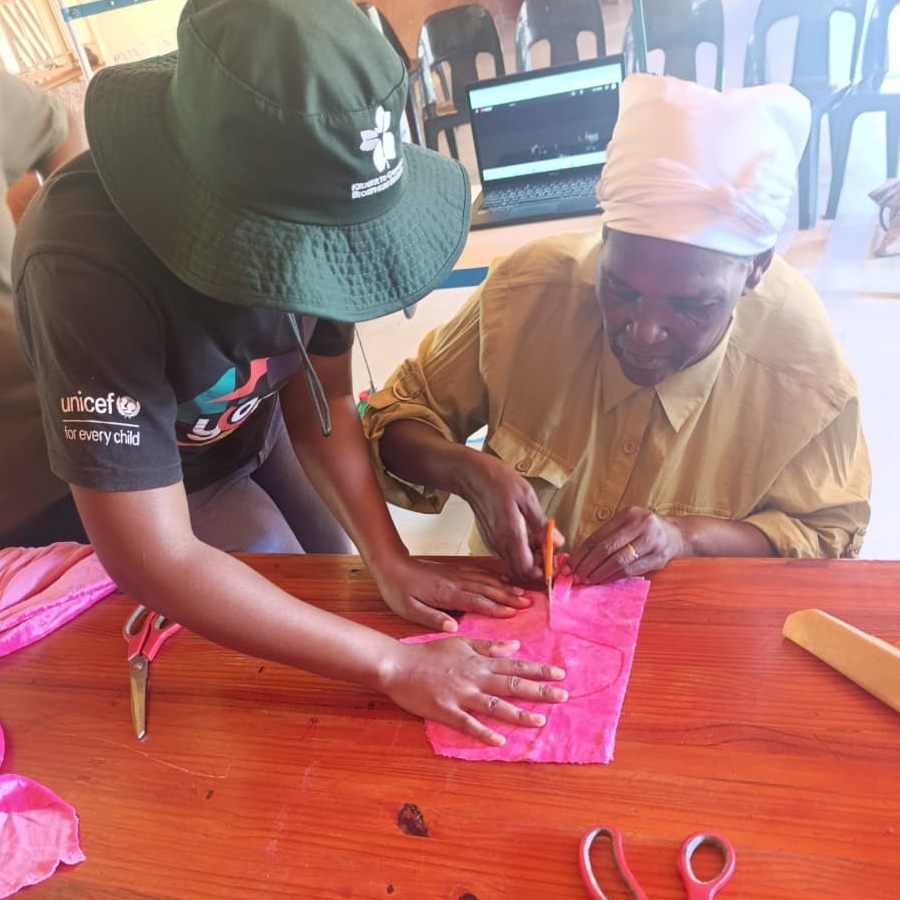
The AHP Project supports the use and local production of reusable sanitary products, improving dignity, health and access for women and girls. At the same time, it reduces waste and creates opportunities for community-based enterprise.
49
families accessed reusable diaper starter packs
2
Seamstresses trained to make & sell reusable saniary pads
344
reusable pads produced and sold
Micro-Enterprise Development
SMME mentorship and training support community members to develop and grow small enterprises linked to sustainable livelihoods. Through practical guidance, skills development and ongoing support, participants build the confidence and capability to move from idea to income.
110
Micro Businesses trained and mentored
120
Vendors supported monthly with access to the Hoedspruit Farmers Market
Agro-ecology & Sustainable Rangeland Management
Agro-ecology and sustainable rangeland management support communities to farm in ways that restore soil health, improve productivity and protect natural resources. Through practical training and demonstration sites, farmers build skills to strengthen both their livelihoods and the landscapes they depend on.
2
Cattle sales held in 2026
438
Cattle branded, supporting farmers’ herd management and compliance with livestock ownership requirements
6144 hectares
Land under better management
3
Conservation agreements signed
Day in the Life of BR Practitioners | Mpho Mativandlela - Eco-Savings & Credit Group coordinator
TRANSECTS’ “Day in the Life of BR Practitioners” is a practitioner-focused video series showcasing the people who shape, steward, and support UNESCO Biosphere Reserves/Regions around the world. In this video, we spend a day with Mpho Mativandlela, Eco-Savings and Credit Group Coordinator at the K2C Biosphere Region in South Africa. Mpho shares how the K2C Biosphere’s support of local communities and livelihoods connects to daily practitioner work involving training, mentoring, financial literacy facilitation, and data management.
Voices from the Community

“I am encouraged by the commitment shown by our farmers and communities. The progress we are seeing proves that when we work together, we can restore our land and improve our livelihoods. Small changes today will lead to a healthier environment and a better future for the next generations.“
Conny Timbane
K2C Rangeland Coordinator and Trainer
Funding Partners
Strong partnerships allow us to build trust with communities and work towards lasting change.



Economic prosperity and ecological restoration are mutually reinforcing goals.
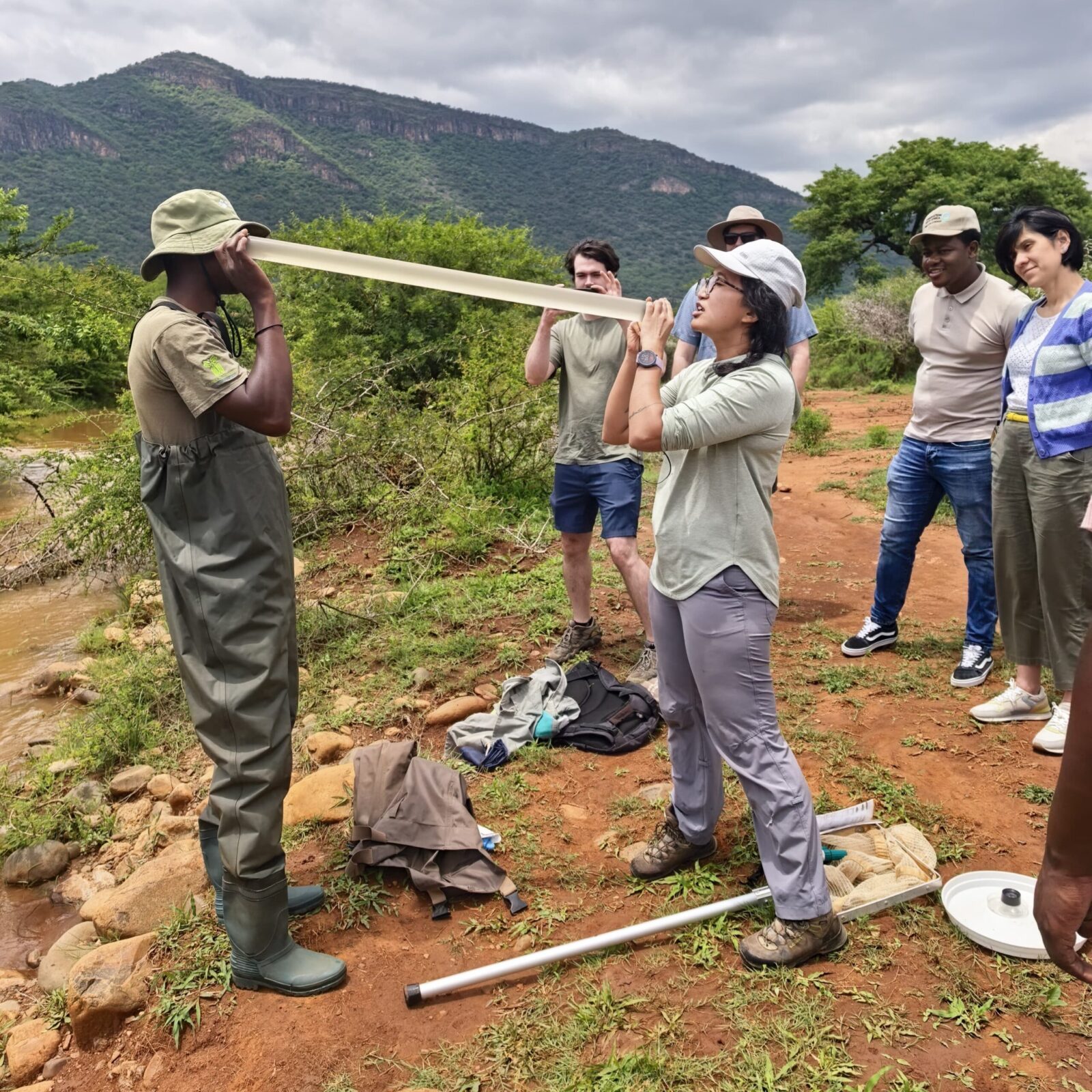
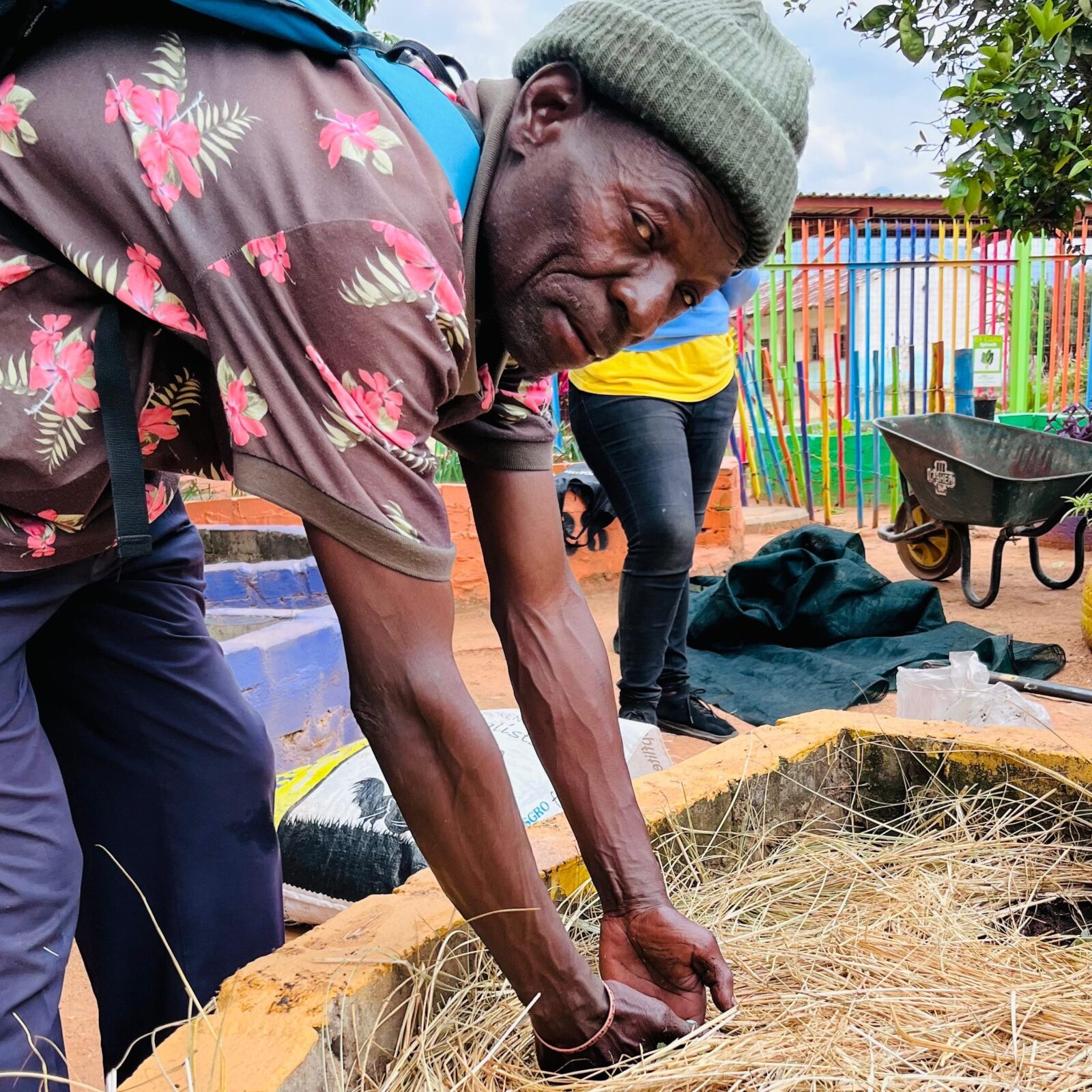
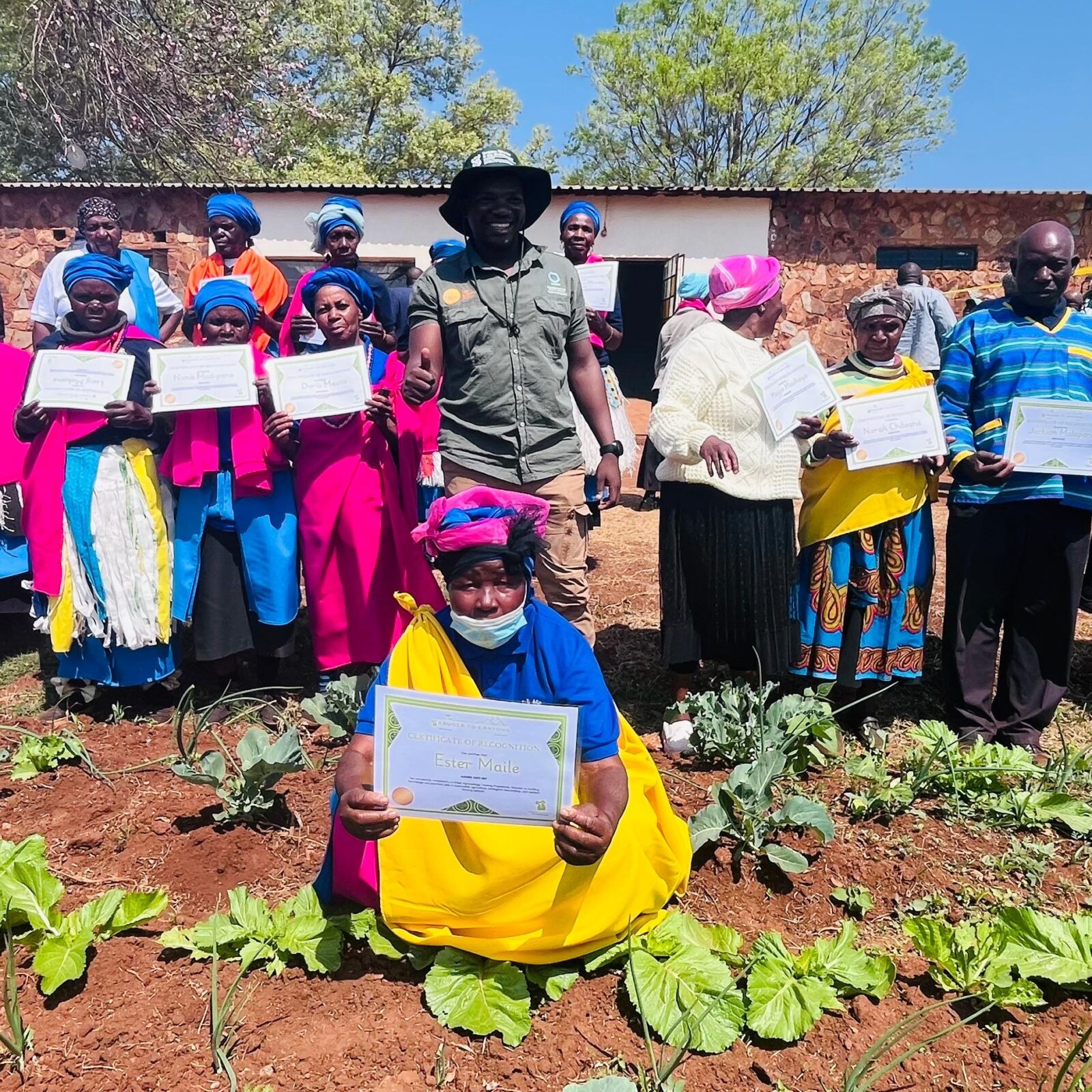
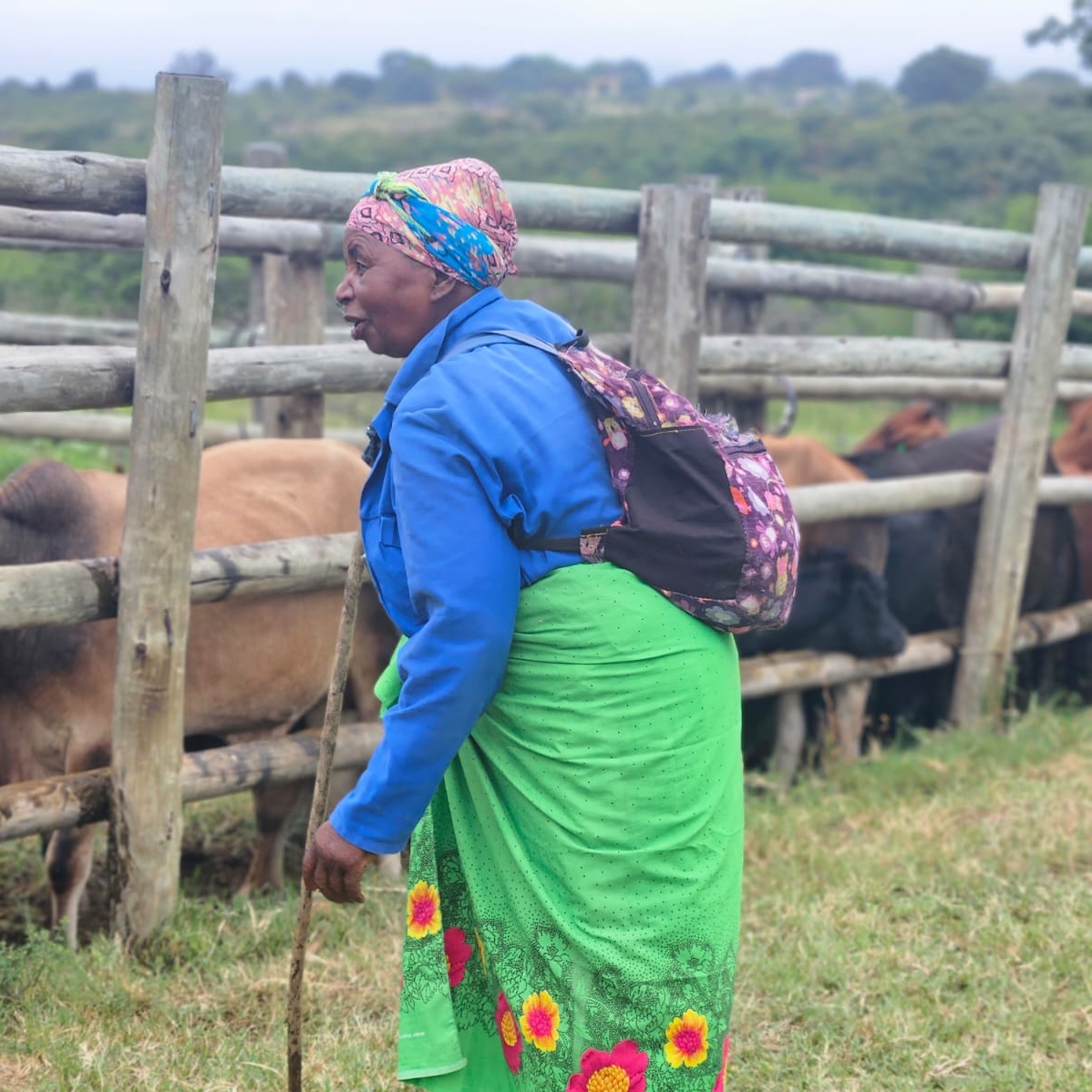
Our Work in Action
Get in Touch
Rešoketswe "Shoki" Mafogo
Programme Manager