Scaling Impact: From distribution of reusable nappies to local sanitary pad production
~ By Mpho Mativandlela- Eco-Savings and Credit Coordinator
The Phiring and Malaeneng communities within the K2C landscape continue to take practical steps in addressing the growing challenge of disposable hygiene waste, which affects both the environment and household finances. Building on the progress shared in the previous article, the Absorbent Hygiene Products (AHP) Project is now demonstrating tangible results as it transitions from pilot implementation to a more integrated, community-driven model.
Following the successful distribution of 8 reusable nappy starter packs to mothers through Eco-Savings and Credit Groups (E-SCGs), the project has begun to show strong signs of sustainability and ownership within the communities. Mothers have started repaying their CAPEX through their savings groups, reinforcing the revolving fund model that enables more beneficiaries to access the products over time. This repayment behavior reflects growing accountability, understanding, and trust in the system, while strengthening financial governance within the groups. At the same time, Monitoring and Evaluation (M&E) visits conducted by field workers indicate positive adoption of the reusable nappies, with mothers actively using the products and sharing feedback on their effectiveness. This early adoption phase is critical in building confidence in reusable hygiene products and encouraging wider uptake across the communities.
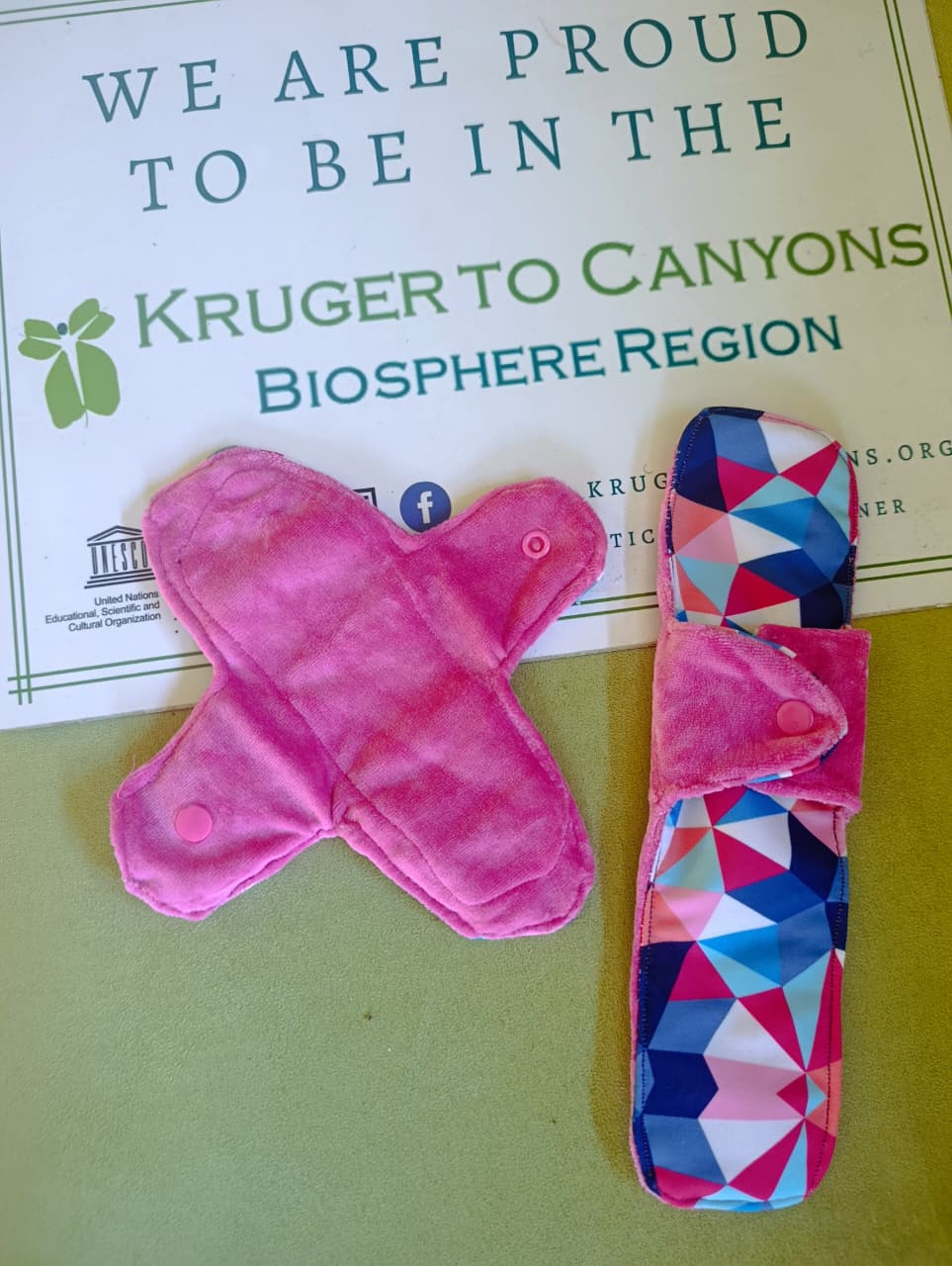
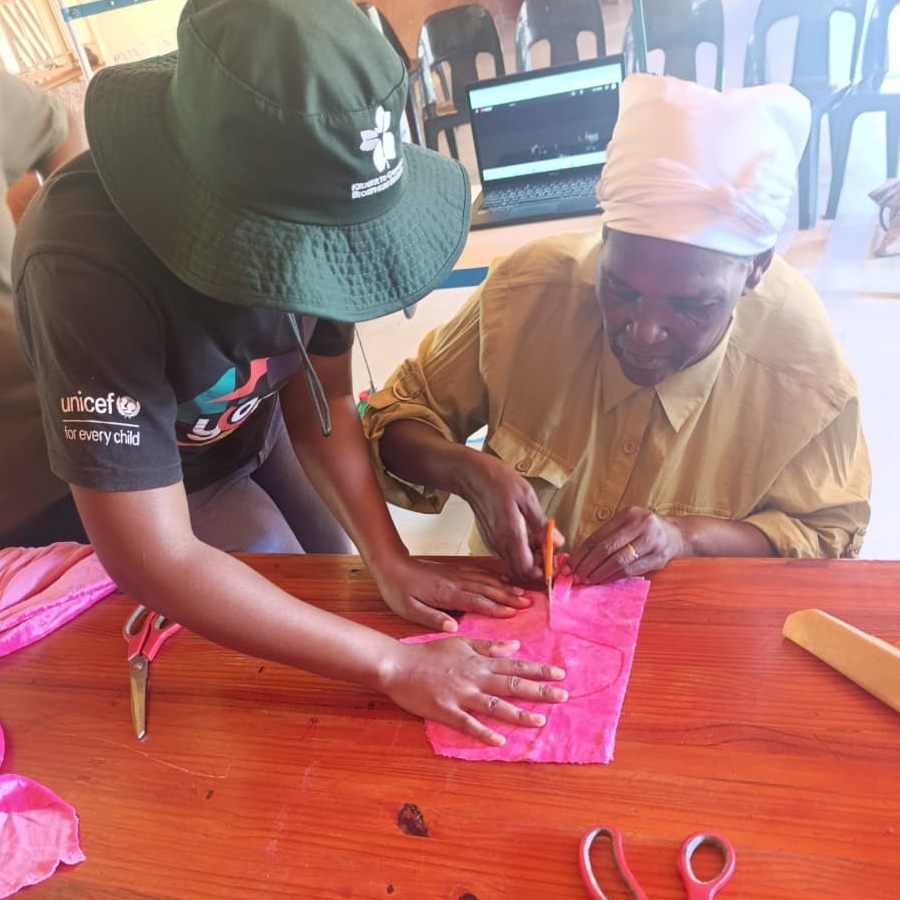
Building on this foundation, the project has made significant progress in local production through the training of seamstresses in reusable sanitary pad making. In February 2026, two local seamstresses were introduced to the production process through practical, hands-on training sessions that covered measurement, cutting, layering of materials, and sewing techniques, supported by ongoing mentorship and quality control guidance.
Through continuous support, the seamstresses have improved both their technical skills and production capacity. What began with the completion of a single pad during the initial training has progressed to multiple pads being produced with improved quality, consistency, and confidence.
To ensure product quality and user satisfaction, the pads were tested using waterproof PUL fabric and absorbent bamboo charcoal fleece layers. Feedback from users has been positive, with testers reporting comfort, high absorbency, and no leakage, confirming the effectiveness of the product design.
A key milestone in promoting the product was the official introduction of the reusable sanitary pads at the Chairman’s Forum, where savings group leaders and members gathered to reflect on progress and strengthen governance. During this platform, the pads were showcased, their benefits explained, and community members were encouraged to adopt and purchase them, positioning the pads as a practical and locally accessible solution.
Encouragingly, the project is now transitioning from training to tangible economic impact, with early sales of reusable sanitary pads marking the emergence of local income-generation. Seamstresses are producing quality products while also being supported with record-keeping systems to track production and sales, ensuring accountability and sustainability. This enterprise development has been further strengthened through a recent SMME training conducted under the Nature Positive Demonstration Livelihoods component. The training focused on building business skills such as financial management, record keeping, and entrepreneurship, equipping seamstresses not only with production skills but also with the capacity to manage and grow their businesses.
By integrating savings groups, local production, and enterprise development, the AHP Project presents a holistic model that addresses environmental challenges, reduces household costs, and creates livelihood opportunities for women. The initiative is already contributing to reduced waste in local ecosystems, improved access to affordable hygiene products, and strengthened community systems.
Overall, the progress to date reflects a strong foundation for long-term impact, demonstrating how community-driven solutions can promote resilience, dignity, and environmental stewardship in Phiring and Malaeneng.
FUNDERS/PARTNERS: University of Western Cape, Aquila Environmental and Council for Scientific and Industrial Research (CSI).