The AHP Project – from Pilot Project to Community impact

How the AHP Project is linking reusable hygiene, savings groups and local livelihoods
~ by Mpho Mativandela | K2C Eco-Savings and Credit Group Co-ordinator
Since the Absorbent Hygiene Product Project was featured in the December 2025 K2C Newsletter, the initiative has moved from its early pilot and inception phase into wider community implementation. The project has grown from the initial distribution of reusable nappy starter packs to eight families, to 46 households reached today. Each starter pack, valued at R1,666, is provided through the Eco-Savings and Credit Group (E-SCG) model, linking access to reusable nappies with savings, financial literacy and community accountability.
Savings groups have become an important governance platform for the sustainability of the AHP intervention. Ten AHP-linked savings groups, with 184 members, are now established within K2C’s wider E-SCG programme. The groups provide a space for members to save, receive financial education, discuss reusable AHP products and manage repayments. Mothers receiving reusable nappy starter packs repay an agreed amount into their E-SCGs. These repayments remain within the community system and can support the purchase of additional reusable nappy starter packs for other mothers.
The model is designed to help households reduce their reliance on repeated purchases of disposable nappies, while allowing families to build savings through their E-SCGs. Monitoring of early nappy recipients found 96.2% satisfaction, 100% continued use and 100% reporting that they maintain and clean their reusable nappies. Reusable nappies were used nearly three times as often as disposable nappies during the day. These findings provide early evidence of adoption, while continued monitoring is being implemented to quantify household savings and longer-term environmental outcomes.
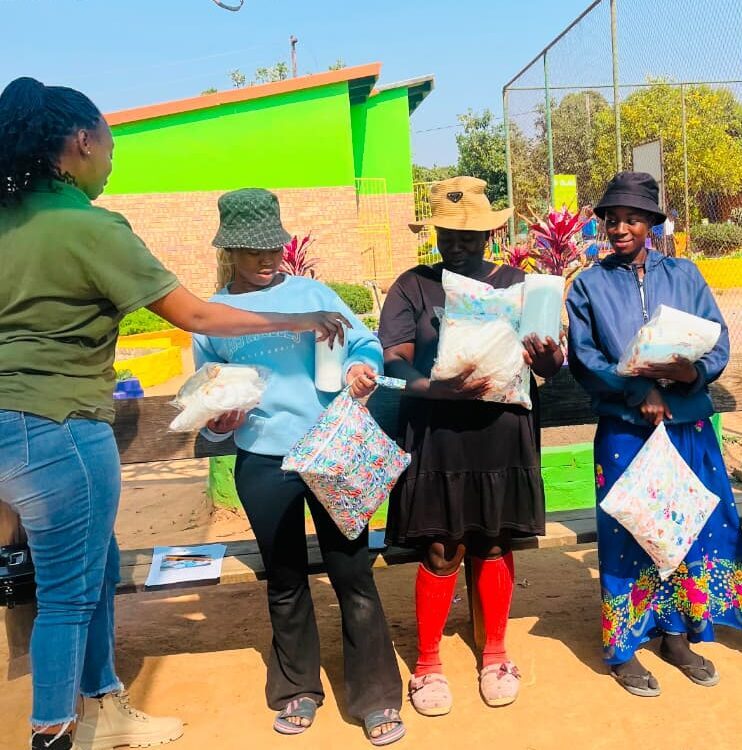
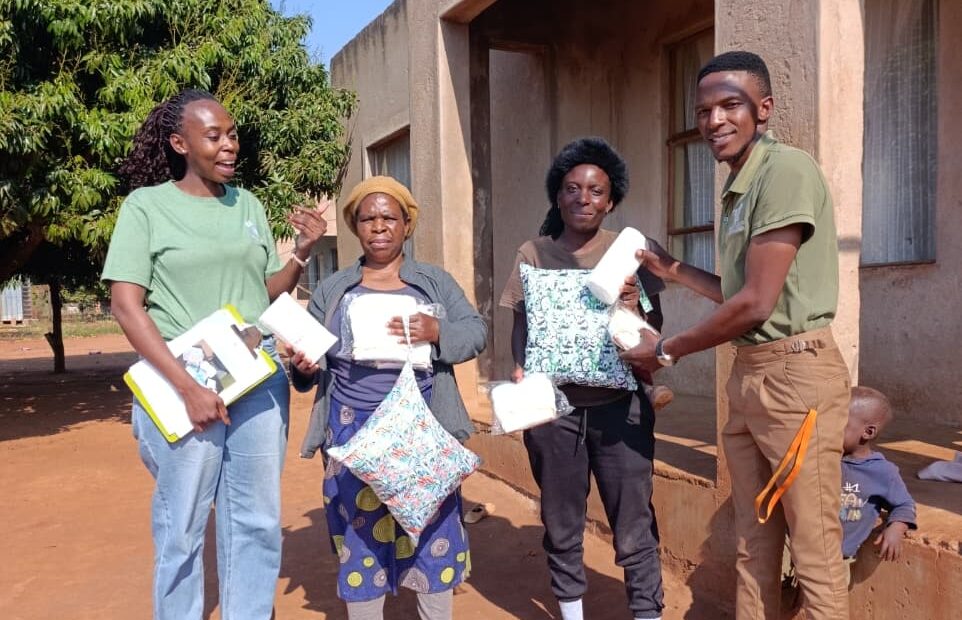
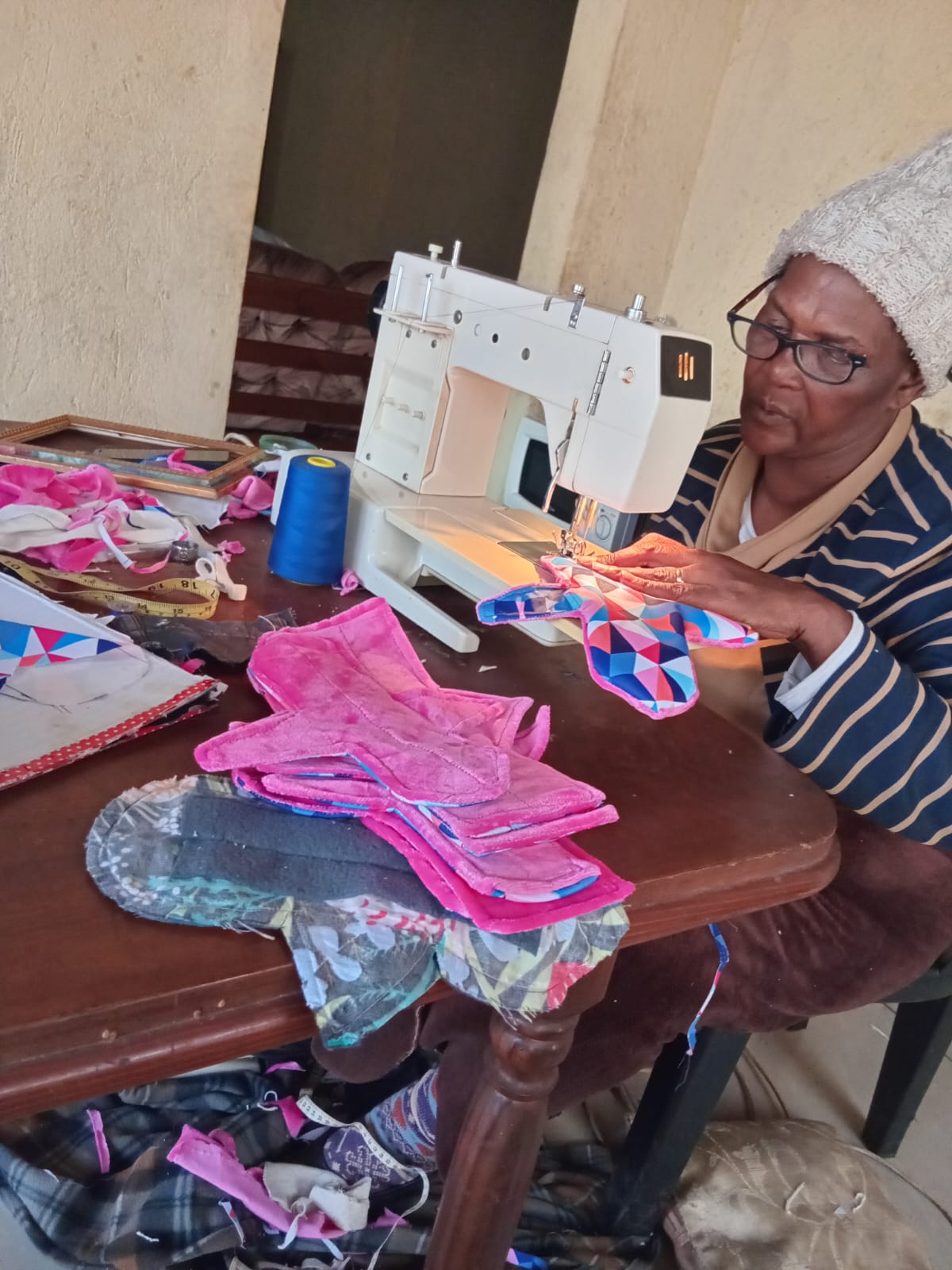
The other arm of the AHP project involves two Seamstresses from Phiring and Malaeneng, the communities where the AHP project was initiated, who have been supported to produce reusable sanitary pads. Production has progressed from training and product testing, to market sales. To date, 344 reusable pads have been produced and sold, generating income for the seamstresses and demonstrating the potential for community-based livelihood opportunities. The products are also available through the monthly Hoedspruit Farmers Market, savings groups and community networks.
The next phase will focus on strengthening repayment and E-SCG governance, expanding access to reusable nappies, supporting local pad production and markets, and continuing Monitoring and Evaluation to demonstrate changes in household expenditure, product use and environmental outcomes. The journey from supporting eight families to 46 shows how a community-based model can move beyond product distribution towards continued use, community finance and local livelihood creation.