
From opportunity to stewardship - Environmental Monitors making a difference on the ground
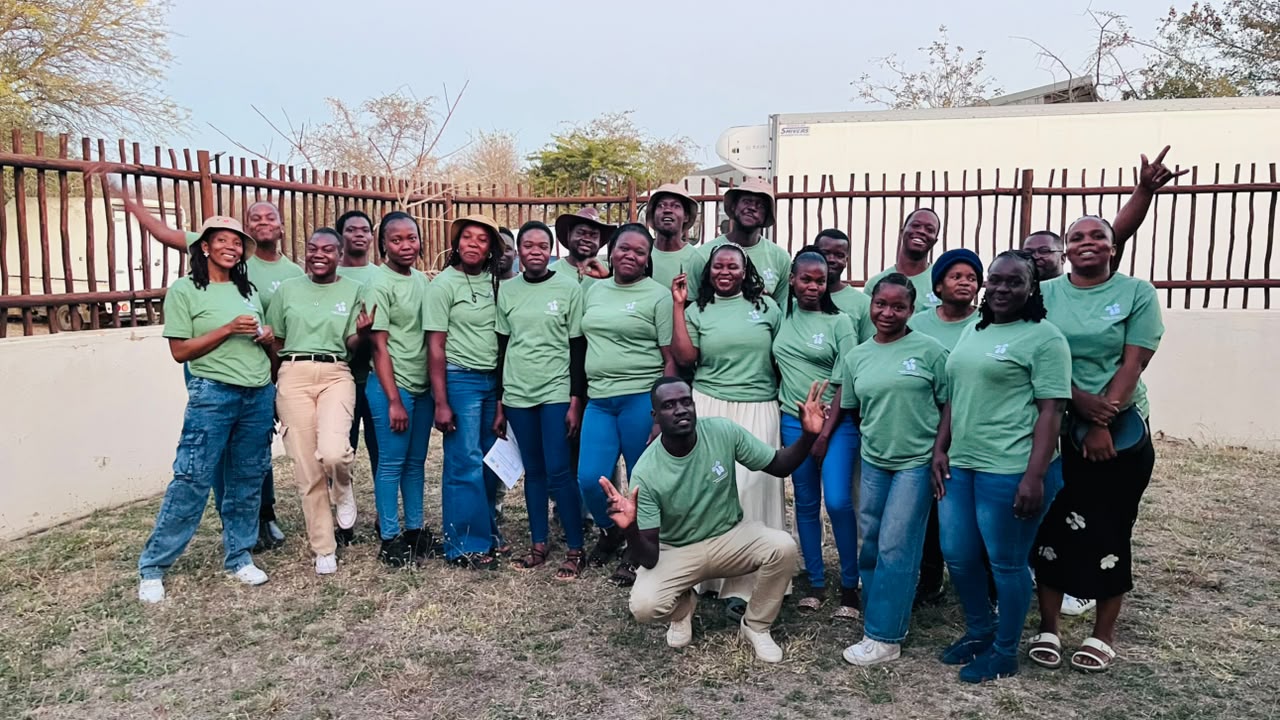
~ by Mantshoki Ramodipa | Environmental Monitor
Environmental protection is often thought of in terms of policies, plans and long-term conservation goals. But on the ground, it is also about people. It is about the people who walk through their communities, observe changes in the environment, speak to residents, record what they find and help bring attention to issues that may otherwise go unnoticed.
Through the Department of Forestry, Fisheries and the Environment (DFFE)’s, Environmental Monitor (EM) programme, young people have been given an opportunity not only to gain employment and practical experience, but also to play an active role in caring for the environments and communities in the K2C landscape.
The work of the EMs takes many forms. Some days are spent in the field monitoring water and observing the condition of rivers and other freshwater systems. Other days involve documenting waste, erosion and environmental concerns, engaging with community members, supporting awareness activities or participating in initiatives that connect environmental wellbeing with people’s everyday lives.
Keeping an eye on our freshwater resources
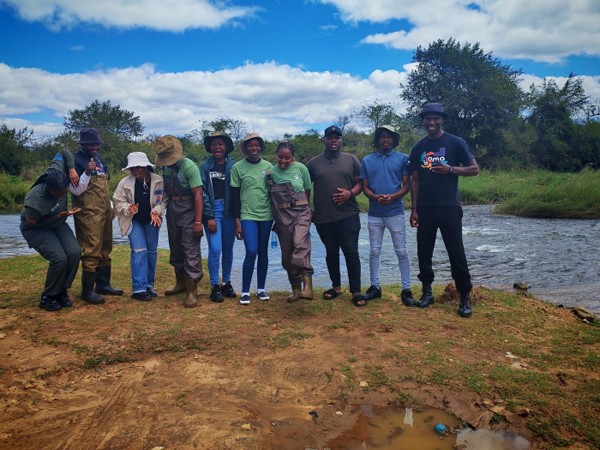
Freshwater monitoring is one of the important areas of work being undertaken by the Environmental Monitors. During monitoring activities, EMs collect water samples and use monitoring equipment to measure key water-quality indicators. They also observe water clarity, flow and the general condition of the river, looking for signs of pollution, erosion and invasive plants.
This work provides an important opportunity to understand what is happening within freshwater ecosystems and to build information that can support future environmental management.
The EMs have also taken this knowledge into schools. During a freshwater monitoring activity with Grade 7 learners from Thorometsane Primary School in Phiring Village, learners were introduced to freshwater ecosystems, water-quality monitoring and the importance of protecting freshwater resources. They were given practical exposure to monitoring equipment, including pH, temperature and conductivity meters, and were guided through the process of taking measurements and recording observations.
The activity demonstrated that environmental monitoring is not only about collecting data. It can also create opportunities to share knowledge and encourage the next generation to understand and value the natural resources around them.
Seeing environmental challenges before they become bigger problems
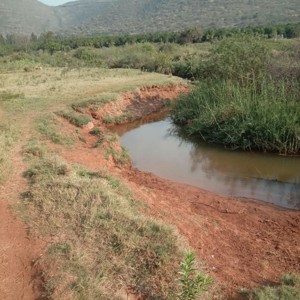
A large part of environmental stweardship is noticing problems early. During fieldwork, EMs have documented issues such as soil erosion, waste accumulation and blocked or poorly flowing water channels. At a furrow monitoring site in Metz, for example, the team found stagnant, murky water in a concrete catchment box, damaged and eroded concrete walls, slow water flow and vegetation growing into the channel. Six GPS-tagged photographs were taken to document the findings, with recommendations made for clearing vegetation and repairing the concrete structure to improve water flow.
In another observation, EMs identified a deep gully caused by uncontrolled stormwater runoff. Waste had also been thrown into the erosion channel, blocking the natural movement of water and contributing to further erosion.
These observations may seem small in isolation, but documenting them gives the organisation and relevant stakeholders a clearer picture of what is happening on the ground and where attention may be needed.
Working hand in hand with communities
What stands out from the EM activities is that their work does not happen separately from the communities they serve.
The monitors engage directly with community members in different ways. During a livestock activity at Ga-Mashilane in Metz, for example, the team observed and supported farmers during cattle treatment. They also shared information about regular tick control, correct dosage, keeping kraals clean and maintaining treatment records.

Cattle branding with livestock farmers
Rangeland monitoring in the field
The EMs have also participated in community meetings where environmental management, climate change, disaster preparedness and service delivery were discussed. One such meeting brought together the Tribal Authority, municipality, government departments and community members to discuss environmental and community challenges and strengthen cooperation between different stakeholders.
Tour guides: turning local attractions into local income
Not all of the work happens in the field. Some of the EMs also serve as tour guides, taking visitors to the tourism attraction sites and along the hiking trails in and around their villages. Before taking tourists or guests on site, the EMs monitor the condition of the trails so that every visit is safe and enjoyable.
This role has the potential to bring real economic change to the community and when a landscape becomes a source of income, the whole community has reason to protect it. Guiding gives the EMs an additional source of income and helps improve the financial position of their villages. When visitors come to a village, the benefits can reach well beyond the guide: money spent on local services, food, crafts and accommodation can circulate through households and small businesses, creating work and opportunities close to home.
Tourism also strengthens the link between the economy and the environment. The more visitors value a clean river, a well-kept trail and a healthy landscape, the stronger the case becomes for looking after them. In this way, the EMs who guide are helping their communities to earn from nature while keeping it protected for the future.
Environmentally friendly nappies and community savings
Another group of EMs is involved in making reusable nappies in a way that helps to save the environment, offering a practical, locally made product while helping to reduce waste.
The EMs also encourage community members to form savings groups. Members save money together, earn 10% interest on their savings, and receive their payout at the end of each cycle. This helps households to build a financial cushion, plan ahead and keep more money working within the community.
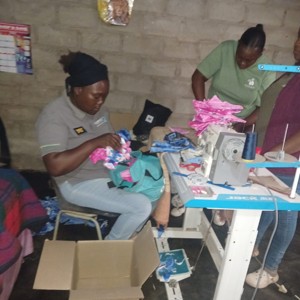
EMs making nappies in an environmentally friendly way
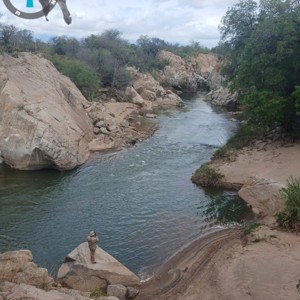
Hiking trail monitoring before guiding visitors
Creating opportunities while caring for the environment
This gives young people an opportunity to become more familiar with the environmental challenges within their own communities and to contribute to addressing them.
The work requires them to be observant, to engage respectfully with community members, to document what they see and to understand why seemingly small environmental issues matter.
Small actions, meaningful connections
The strength of the EM programme lies partly in the everyday nature of the work. It can be a photograph taken at a field site. A conversation with a farmer. A water-quality measurement. A learner discovering how a pH meter works for the first time. A report documenting waste near a waterway. A community meeting bringing different stakeholders together. Each activity contributes another piece to understanding and caring for the environment.
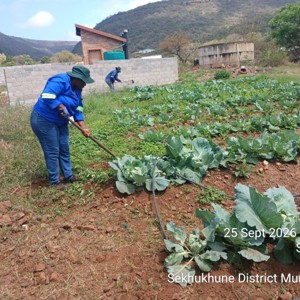
Preparing the soil and tending vegetables
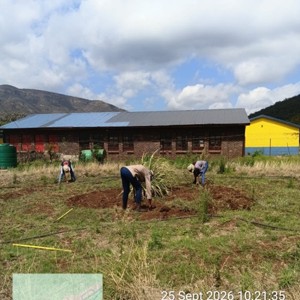
Garden maintenance at a primary school
The EM reports also show that environmental work often overlaps with broader community initiatives. The monitors participate in activities involving savings groups, local livelihoods, community facilities and household engagements. This creates opportunities for them to understand the communities they serve while building relationships with the people who live and work there.
A partnership with impact
The Environmental Monitor programme demonstrates what can happen when employment opportunities, environmental stewardship and community engagement come together.
The support provided through the programme has enabled young people to become active participants in environmental work while gaining skills and experience that can contribute to their future.
For K2C and the communities in which the EMs operate, their presence on the ground provides an important link between environmental priorities and the everyday realities of local communities.
We extend our appreciation to the DFFE, whose support makes this work possible. Your investment is not only supporting employment opportunities, it is helping create a network of young people who are learning, observing, engaging and contributing to the care of the landscapes and communities around them.
The work continues one field visit, one conversation, one observation and one community at a time.
And through these everyday actions, the Environmental Monitors are showing that protecting the environment is not only about looking after nature; it is also about investing in the people who live alongside it.