
Separation at Source Programme takes root in Thulamahashe Section B
~ by Hope Morema | ISOW On-Site Project Manager
ISOW Project mobilises 706 households and four schools to strengthen recycling and responsible waste management
The Innovative Solutions for Waste (ISOW) Project is making significant progress in promoting sustainable waste management practices in Thulamahashe Section B through the implementation of a Separation at Source (S@S) Programme.
The programme encourages households, schools and other waste generators to separate recyclable materials from general waste at the point where waste is generated. By separating waste before disposal, the programme aims to increase recycling, reduce the amount of waste going to landfill, discourage illegal dumping and contribute towards a cleaner community and a more sustainable circular economy.
Taking waste education to households
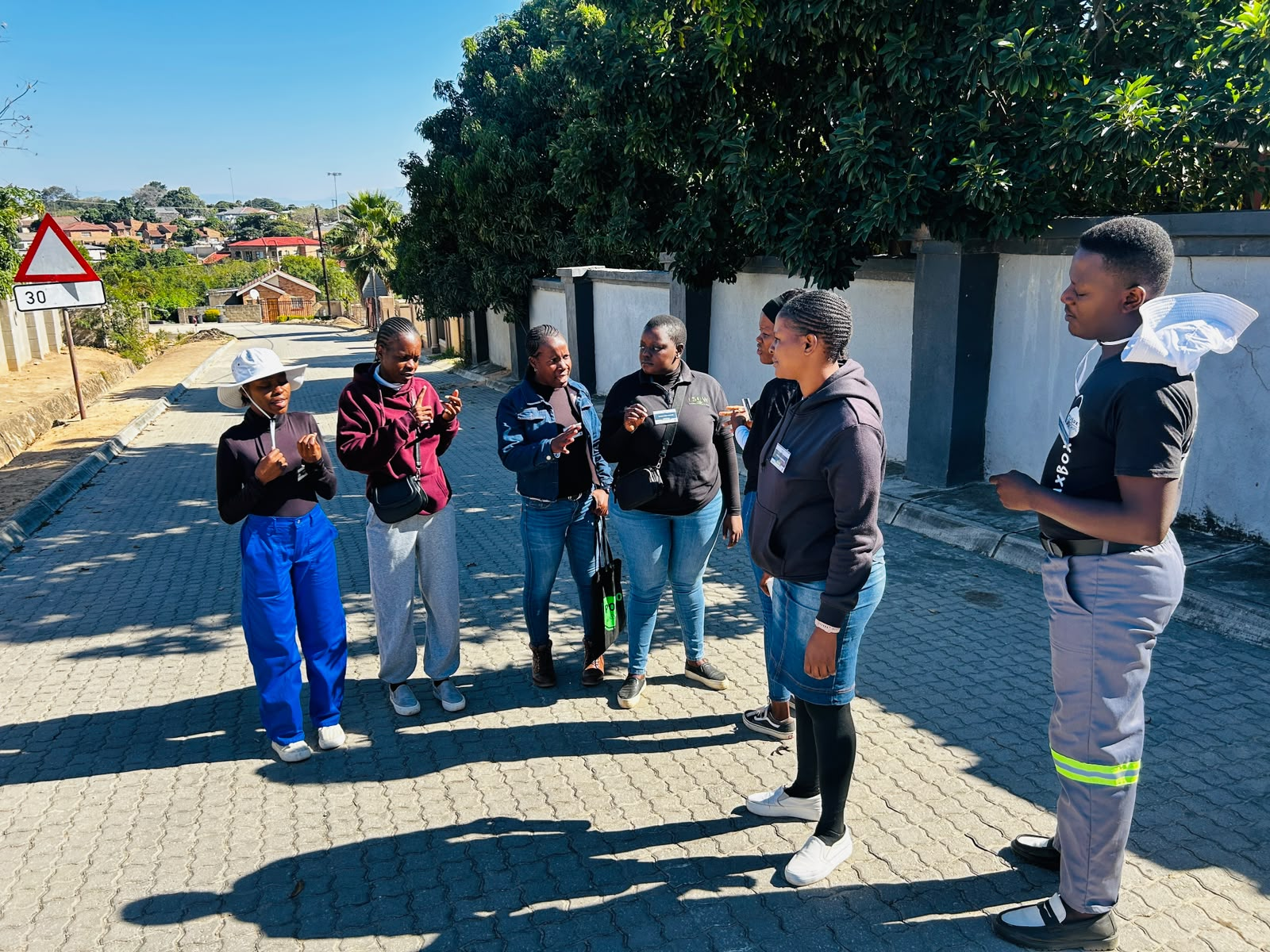
An important part of preparing for the programme has been direct engagement with households in Thulamahashe Section B. The ISOW Waste Ambassadors conducted an extensive door-to-door household engagement and registration campaign to educate residents about responsible waste management and why it is so importatnt, and introduce them to the Separation at Source Programme.
During these engagements, the Waste Ambassadors explained the importance of separating waste, the types of materials that can be recycled and how households can actively contribute towards improving waste management within their community.
The response from the community has been encouraging, with 706 households registered to participate in the programme. This achievement demonstrates the willingness of residents to play an active role in creating a cleaner and more environmentally responsible Thulamahashe.
A simple two-bag system for households
To make waste separation practical and easy for participating households, the programme will implement a two-bag system.
Households will separate their waste into two main categories: dry recyclable materials and general/non-recyclable household waste. Recyclable materials such as plastics, paper and cardboard, metal packaging and other accepted dry recyclables will be kept separate from general waste.
This simple approach will make it easier for households to participate while ensuring that recyclable materials remain cleaner and can be recovered for recycling instead of being mixed with general waste and ultimately disposed of at landfill.
Bringing recycling into four local schools
The ISOW Project is also investing in the next generation through a Schools Recycling Programme involving four schools in Thulamahashe Section B.
The programme introduces learners and educators to waste separation, recycling and responsible environmental practices. Schools provide an important platform for building positive habits from an early age, while learners can become environmental champions who take recycling messages back to their homes and communities.
To support practical waste separation, the participating schools will use colour-coded wheelie bins for different recyclable materials. The colour-coded system will make it easier for learners and educators to identify where different materials should be placed while creating a practical and engaging learning experience.
The school recycling initiative therefore goes beyond collecting recyclable materials—it seeks to build a lasting culture of environmental responsibility among young people.
Partnerships making the programme possible
The progress of the Separation at Source Programme has been made possible through collaboration between the ISOW Project and its committed partners and stakeholders.
The project acknowledges the valuable contribution of Plastics SA,GIZ, the Bushbuckridge Local Municipality (BLM), the Kruger to Canyons Biosphere Region (K2C BR) and Producer Responsibility Organisation partners including PETCO, Polyco, Fibre Circle, MetPac, The Glass Recycling Company and eWasa. Their contributions towards technical support, recycling education, capacity building, resources and programme implementation continue to strengthen the initiative.
Appreciation is also extended to the Ward leadership, community structures, participating schools, educators, learners, Waste Ambassadors and the residents of Thulamahashe Section B for embracing the programme and contributing towards its implementation.
The collective commitment of these partners demonstrates that improving waste management requires collaboration between communities, government, schools, industry and organisations working towards a shared vision.
Towards a cleaner and greener Thulamahashe
With 706 households registered, a two-bag household separation system, and four schools participating through colour-coded recycling bins, the Separation at Source Programme is laying an important foundation for improved waste management in Thulamahashe Section B.
The initiative demonstrates how practical solutions, education, community participation and strong partnerships can work together to change the way waste is viewed and managed.
As implementation continues, the ISOW Project looks forward to strengthening community participation, increasing the recovery of recyclable materials and contributing towards a cleaner, greener and more sustainable Thulamahashe.
Together, we can separate today for a cleaner tomorrow.