High Altitude Team learning exchange - Learning together on the Blyde’s steep slopes
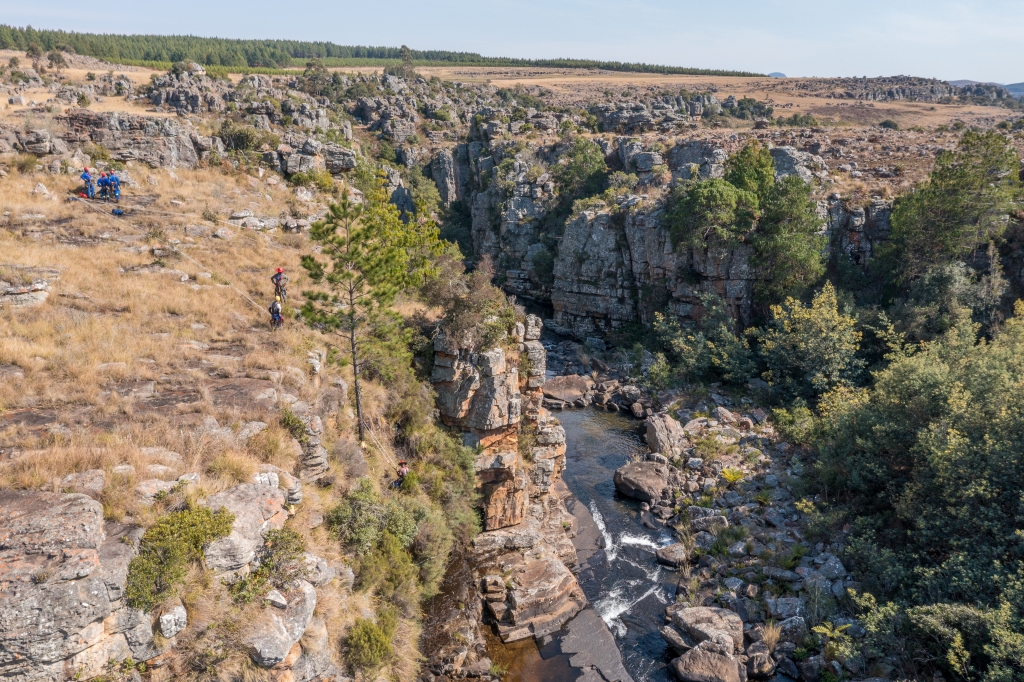
Clearing invasive alien plants is a critical component of K2C’s Catchment Investment Programme (CIP), which aims to improve water security in the Blyde catchment for downstream users, while also creating jobs and livelihood opportunities for those employed in the clearing work. K2C has made significant progress with the CIP in the last two years, clearing an estimated 22,000 hectares in that time and currently employing 32 people.
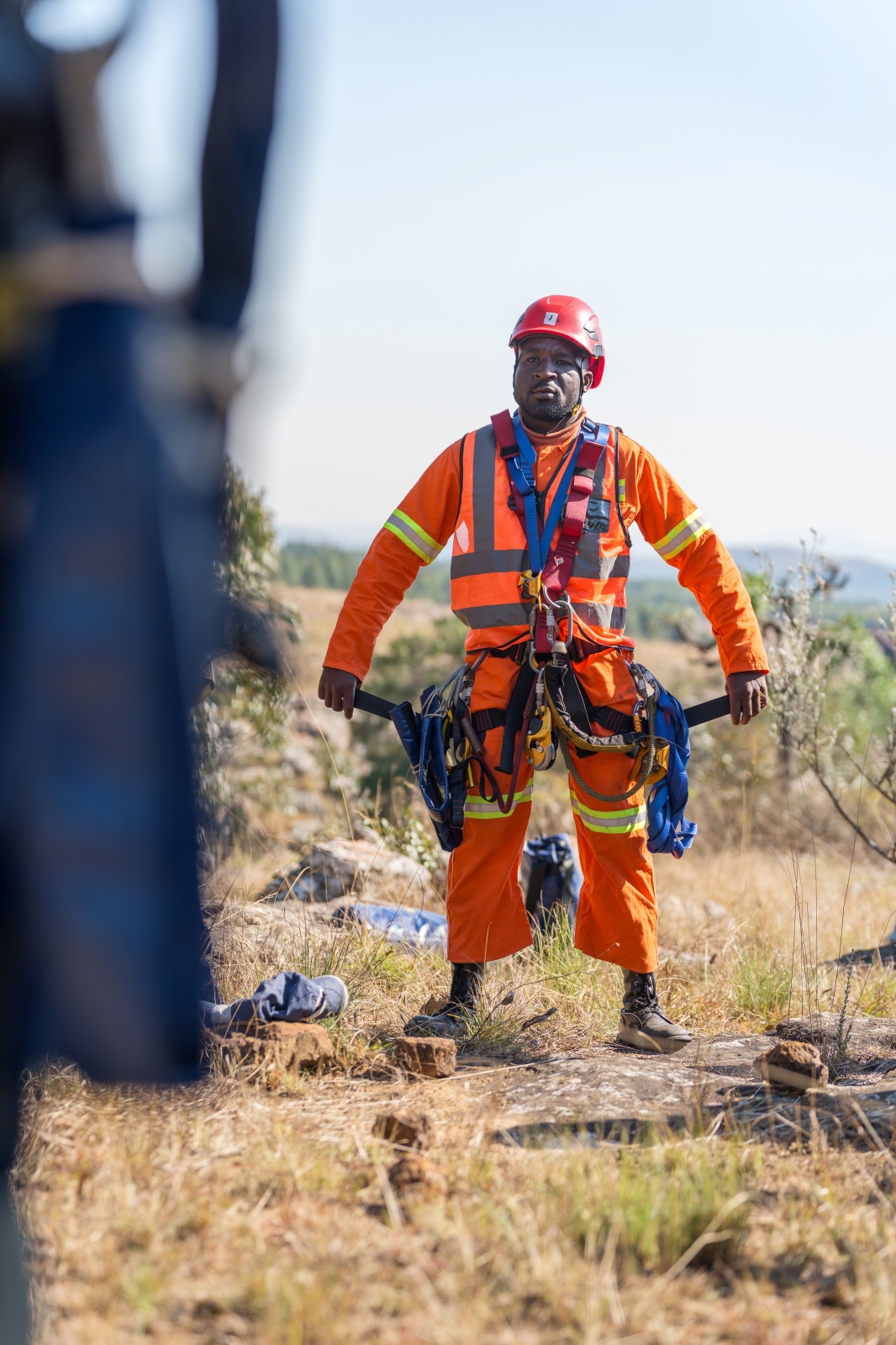
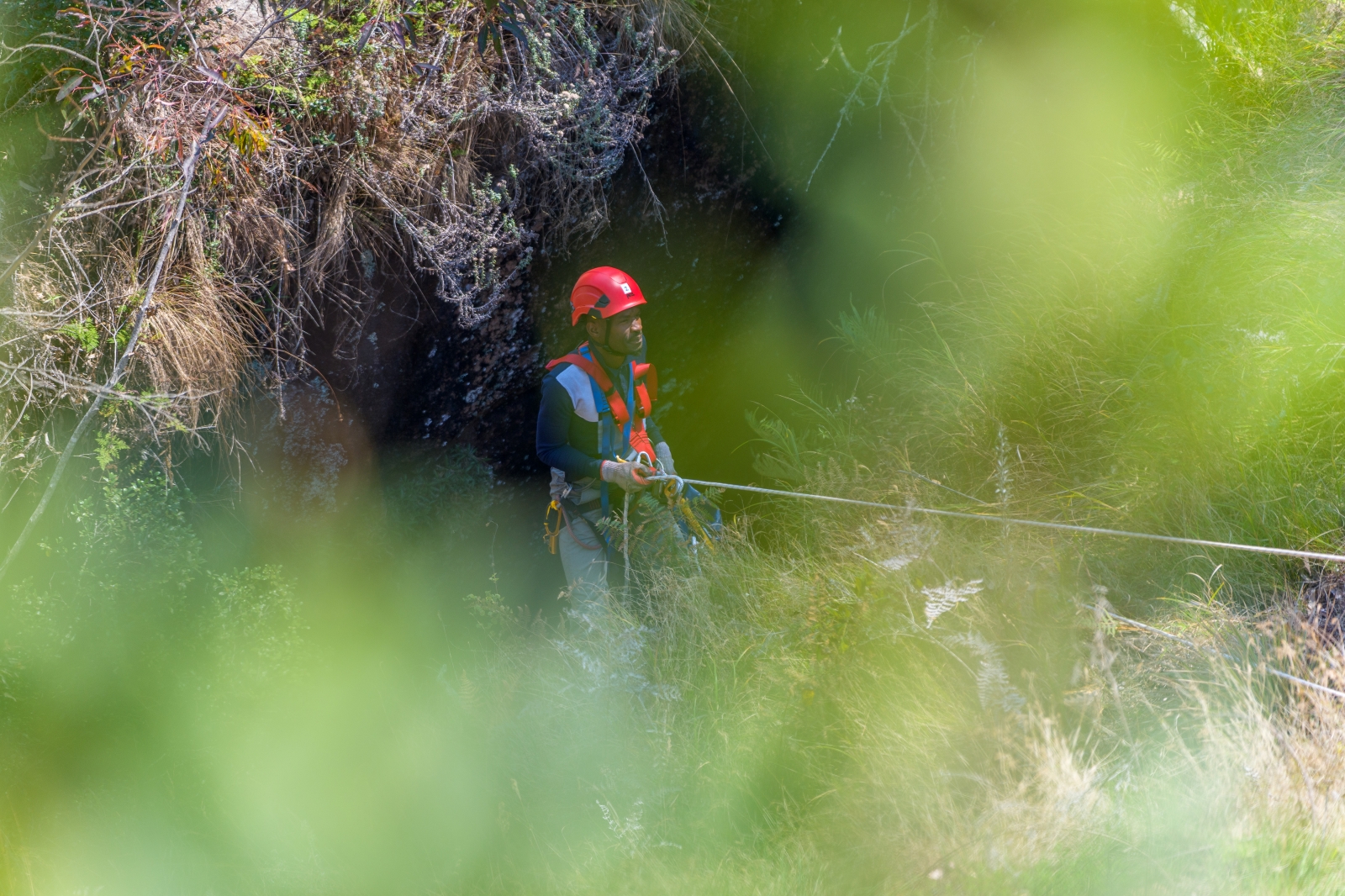
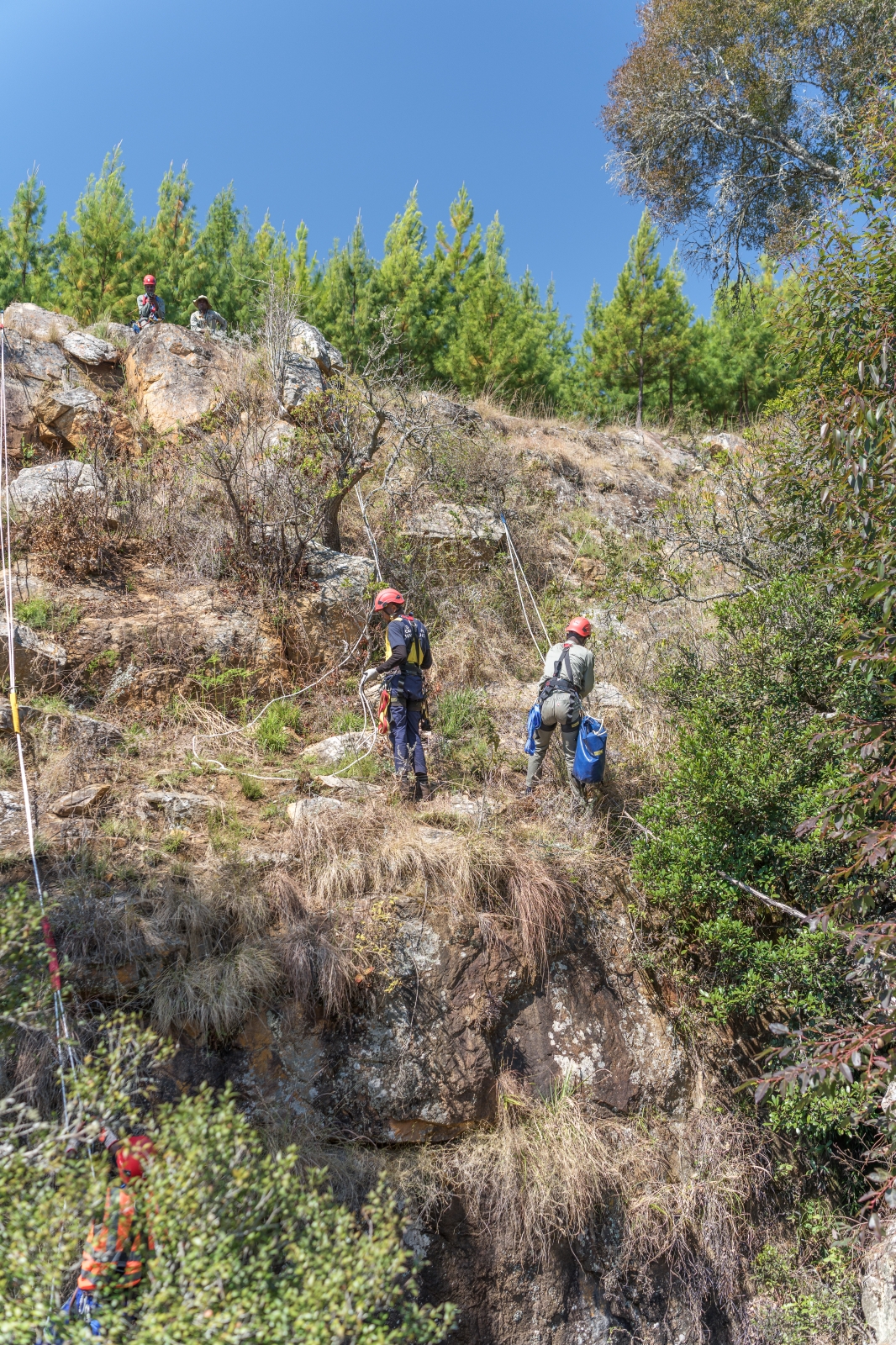
This work takes teams into steep, remote areas in the Blyde catchment, where specialist skills are critical to carry out the work. In 2025, K2C team members were selected for and took part in high altitude training, equipping them with specialised rope access and safety skills for working in challenging terrain in the Blyde landscape.
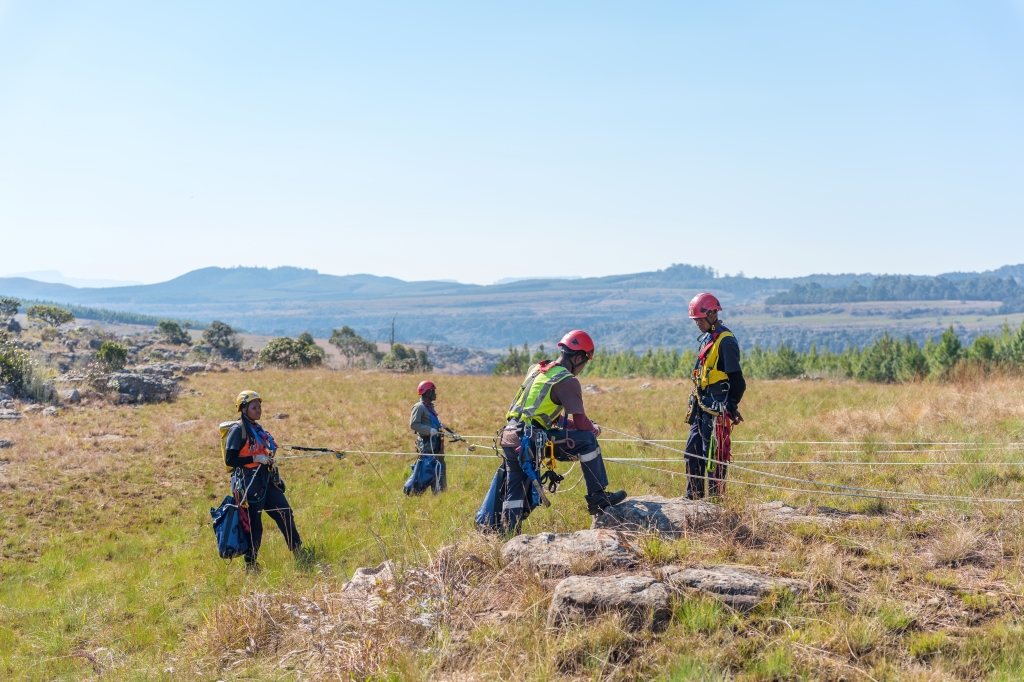
Sharing specialist skills across landscapes helps teams learn from one another and strengthens local expertise. Adapting those skills to local conditions helps restoration investment go further. To build on the 2025 training, a recent ten-day learning exchange brought K2C’s High Altitude Team members together with experienced rope technicians from Likhona Lethu Services, a contractor working with the Greater Cape Town Water Fund (GCTWF).
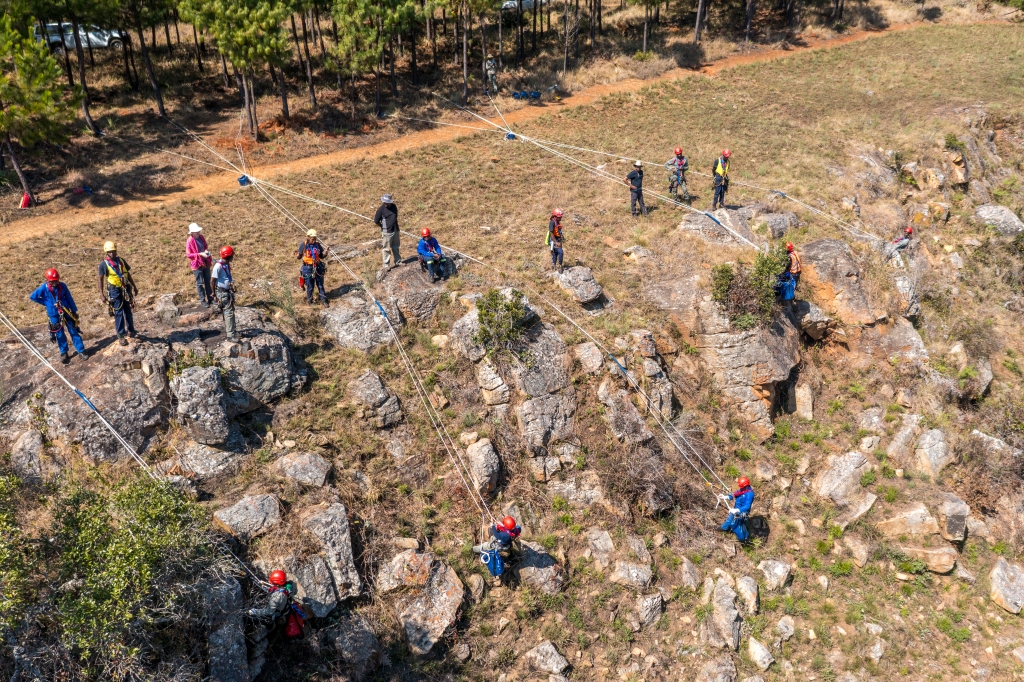
Supported through Nature for Water’s GO Fund programme, with technical input and facilitation from The Nature Conservancy South Africa, the exchange combined workshops, site planning and practical fieldwork. The exchange gave K2C team the opportunity to practise alongside experienced colleagues, ask questions and build confidence in more demanding terrain.
The learning exchange saw the teams sharing their experiences of rope work, equipment checks, identifying hazards, planning for emergencies and assessing the skills and approach that each site would require. Feedback from the exchange highlighted improvements in equipment handling, teamwork and communication, alongside a clearer understanding of safe working procedures. It also identified priorities for further practice and stronger operational support as K2C expands its CIP.
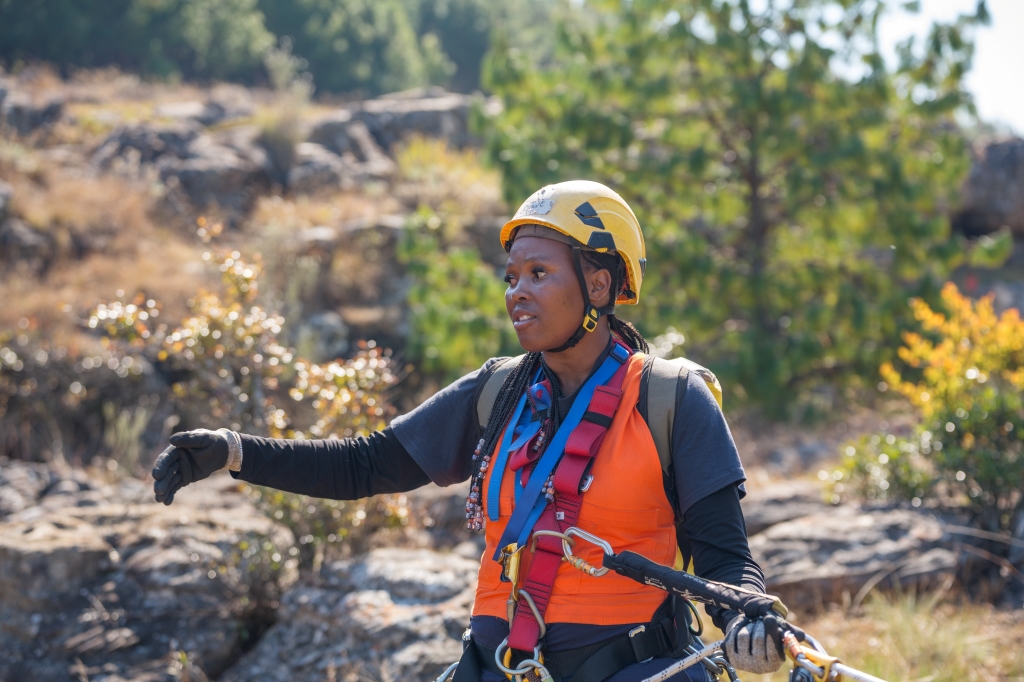
The exchange opened another important conversation. K2C’s Lower Blyde Restoration Project Manager, Dimakatso Nonyane, arranged for women from K2C’s general clearing teams to meet the two women from the visiting Likhona Lethu Services team. Some participants had previously seen high altitude work as a role for men, and meeting women already doing this work gave them an opportunity to ask questions and explore what it involves in practice.
Their feedback reflects encouragement, curiosity and a desire to learn more. Meeting women using chainsaws and rope access inspired participants to see a possible path into this work, with some expressing interest in pursuing training themselves, should opportunities become available.
While the exchange was aimed at K2C teams learning from the experienced Cape-based crew, it also offered something new for the Likhona Lethu Services team – the experience of mentoring others while working in a different landscape.
As K2C scales up restoration through the CIP, continued training and mentorship will help teams build the skills and confidence this work requires. We hope this first exchange will pave the way for more opportunities to learn across landscapes.