Partnership in practice: Welcoming the Cotton On Foundation in the K2C landscape
~ By Dimakatso Nonyane, Lower Blyde Restoration Project Manager
In mid-March, we welcomed the Cotton On Foundation team to the K2C Biosphere Region, a visit that offered a shared view into the landscapes, partnerships, and people that shape our work.
They arrived to soft rainfall over Hoedspruit, a quiet reminder of what sits at the heart of so much of our work here – water, and the systems that sustain it. An early game drive through Pridelands Game Reserve offered a first glimpse into the region’s biodiversity, with sightings of lions and antelope setting the scene for the days ahead.
The visit quickly moved from introduction to immersion.
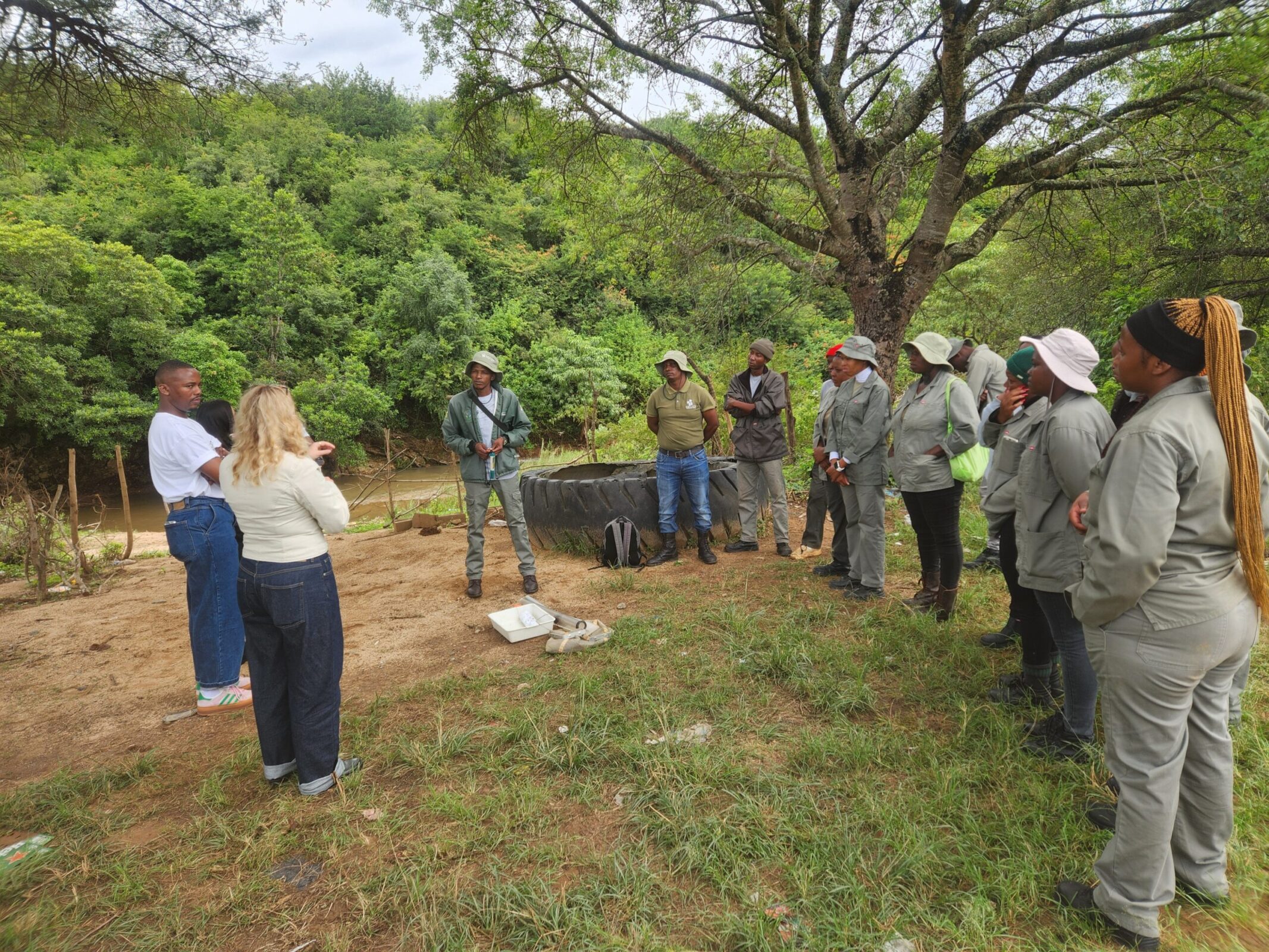
At the AFR100 field site, the team spent time alongside those working on the ground, engaging directly with restoration and monitoring efforts. With the water monitoring team, they were introduced to practical tools such as Mini SASS, the velocity plank, and the clarity tube, simple but powerful methods used to understand river health and flow. These are not abstract measures, but indicators that link directly to how communities experience water, for livestock, for livelihoods, and for daily life.
From there, the visit continued into the restoration landscape itself.
At the AFR100 site, the team explored K2C’s Assisted Natural Regeneration work. Since 2022, clearing invasive alien plants has opened space for indigenous vegetation to recover, restoring ecological function while improving water retention and biodiversity. This work, made possible through partnership with Conservation South Africa and the Sabi Sands Pfunanani Trust, reflects what long-term, collaborative restoration looks like in practice.
The connection between environmental health and livelihoods became even more visible through engagements with Conservation South Africa’s demonstration sites. From aquaponics systems to rehabilitation sites and a mobile abattoir, these initiatives show how restoration, food security, and enterprise development are closely linked, each strengthening the other within local communities.
The visit closed with a different perspective of the landscape.
At the Blyde River Dam, beneath clear skies and surrounded by the escarpment, the team experienced the scale and beauty of the system as a whole. Sightings of hippos, crocodiles, and an African rock python offered a reminder that these landscapes are not only working systems, but living ones. A final stop at Mohlatsi Mango farm added a human touch to the journey, connecting the landscape to local enterprise and production.
Visits like this matter because they move partnerships beyond conversation and into shared understanding of the unique landscapes and the critical importance of the work being done in the K2C Biosphere.
Over the coming months, Cotton On will be running a fundraising and awareness campaign, offering their global customer base an opportunity to learn more about, and contribute to, this work. Partnerships like this play an important role, not only in enabling implementation, but in helping to grow broader awareness of why this work matters.
Because ultimately, securing the health of this landscape depends on more than what happens herei- t depends on how many people understand and value their connection to it.
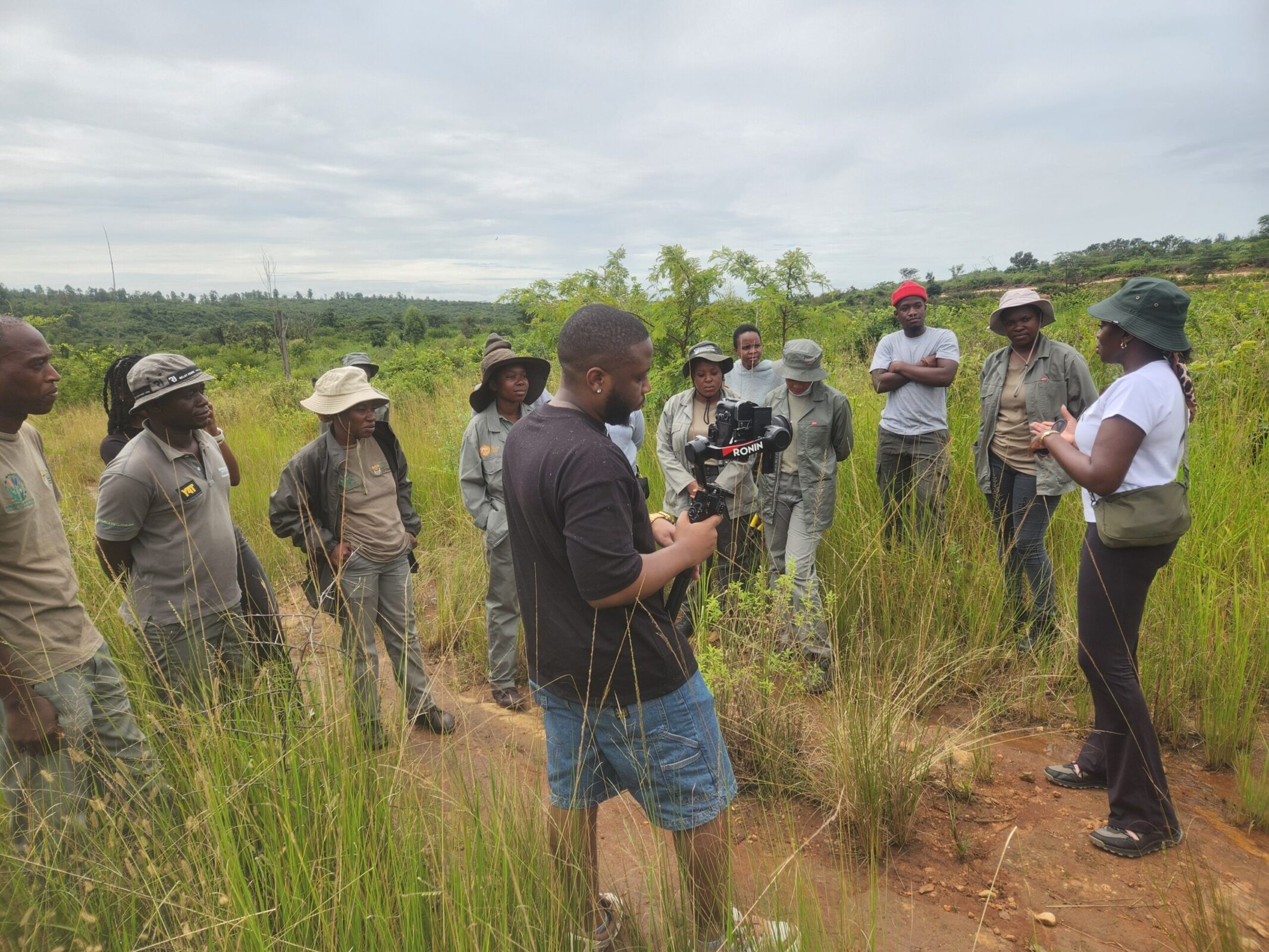
Cotton On Foundation at the AFR100 site.
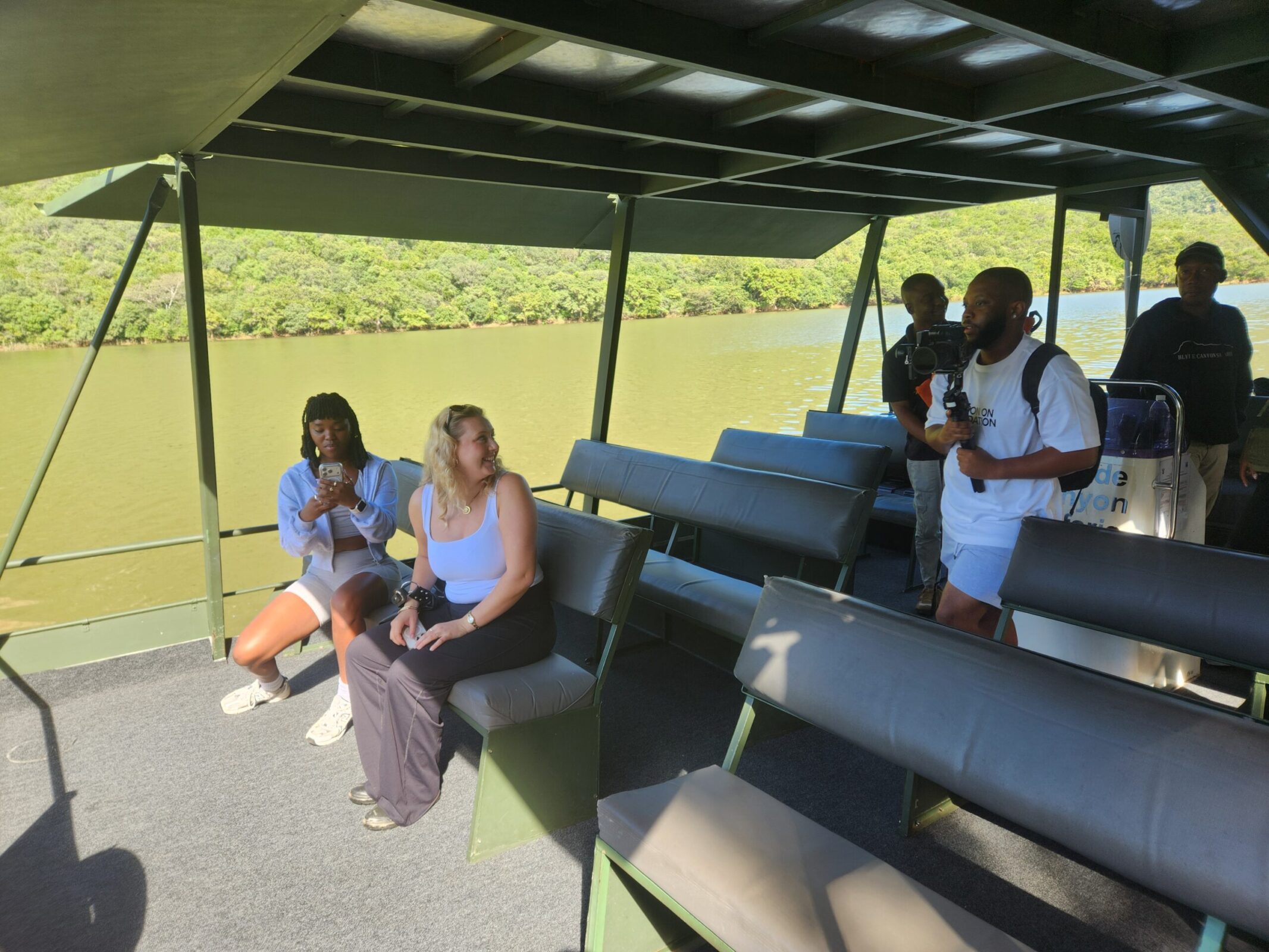
Blyde Boat Trip with the Cotton On Foundation